
Production Process
From Raw Material to Finished Bottle & Mold
Quality starts with every step. We control raw materials, melting, forming, annealing, inspection and packaging, and we build our own molds to guarantee precision, clarity and durability batch after batch.
Glass Bottle Manufacturing Process
10 STEPS FROM SAND TO BOTTLE
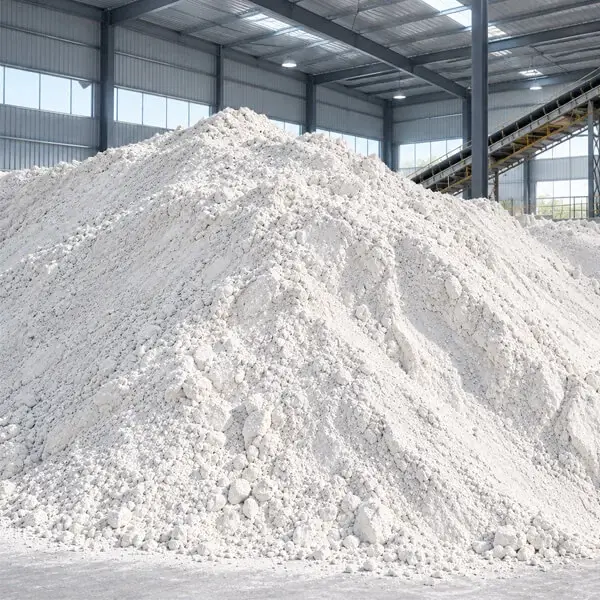
Raw Materials
Weighing & Blending
Raw materials, including quartz sand, soda ash, and limestone, are precisely weighed and blended based on a strict formula. For specialized bottles, additional dyes and chemical compounds are introduced to create colored glass or heat-resistant borosilicate glass.
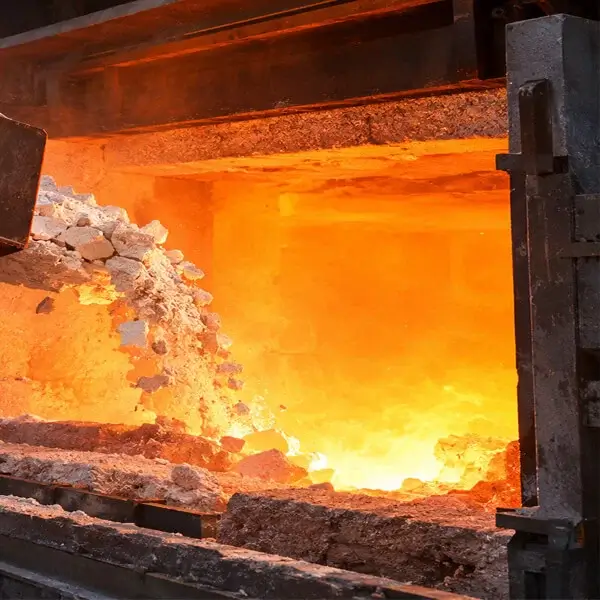
Melting in the Furnace
1600°C Homogenization
The prepared batch is continuously charged into a furnace operating at 1600°C. Inside, the mixture transforms into a homogeneous molten glass liquid.
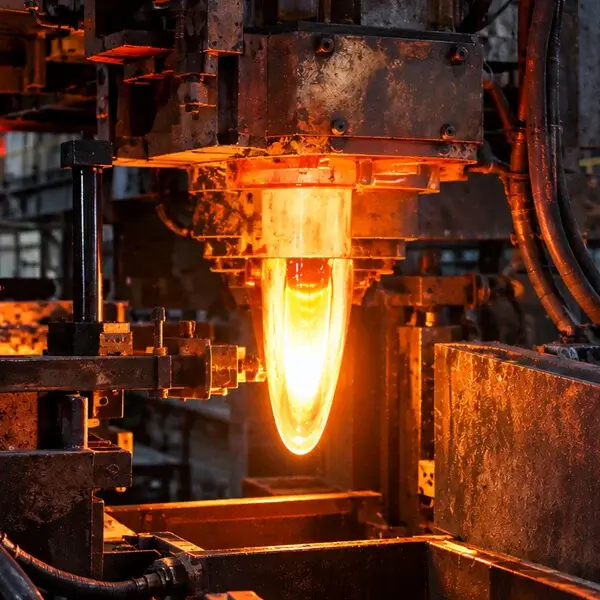
Gob Cutting
Precision Shearing
The molten glass enters the forehearth for thermal conditioning before being sheared into uniform gobs by precision blades. Each gob's weight plays a decisive role in the wall thickness and capacity precision of the finished bottle.
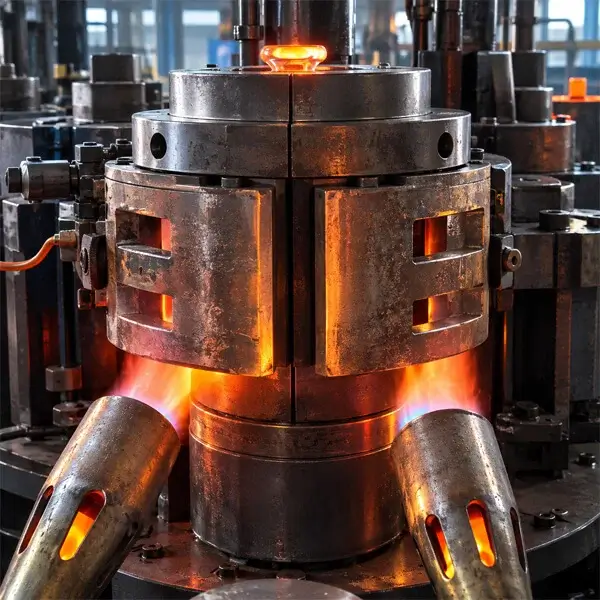
Mold Preheating
Steady Glass Flow
Metal molds are preheated and held at a precise temperature. This ensures steady glass flow, uniform forming, and a smooth surface on the final product.
Blank Mold Forming
Neck & Basic Shape
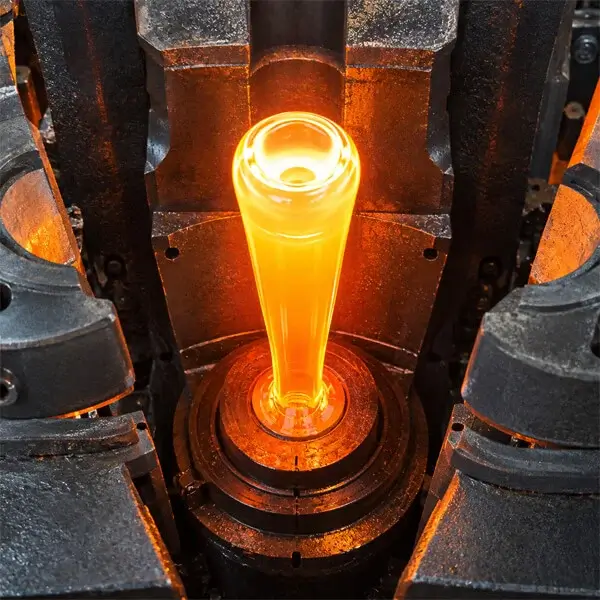
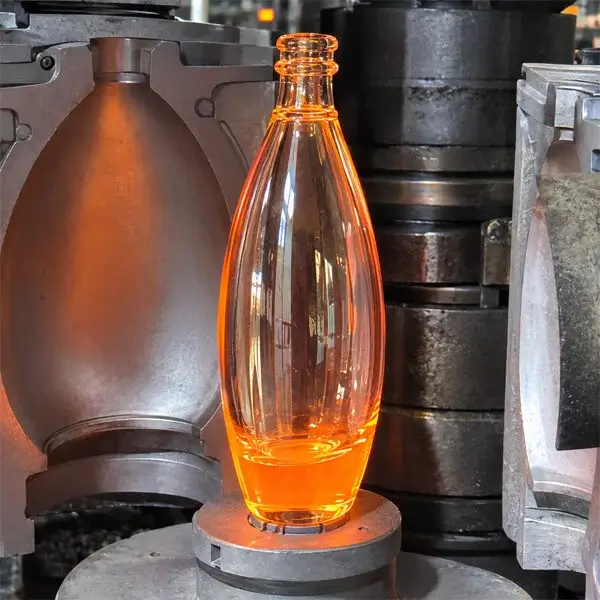
The gob drops into the blank mold, where the neck and basic shape take form via pressing or blowing. This is the stage where all neck features, including threads, are created.
Blow Molding
Final Shape
The parison is then moved into the blow mold, where high-pressure air expands it against the mold walls. This step gives the bottle its final shape, complete with any embossed or engraved patterns.
Flame Polishing
Smoothness & Sealing
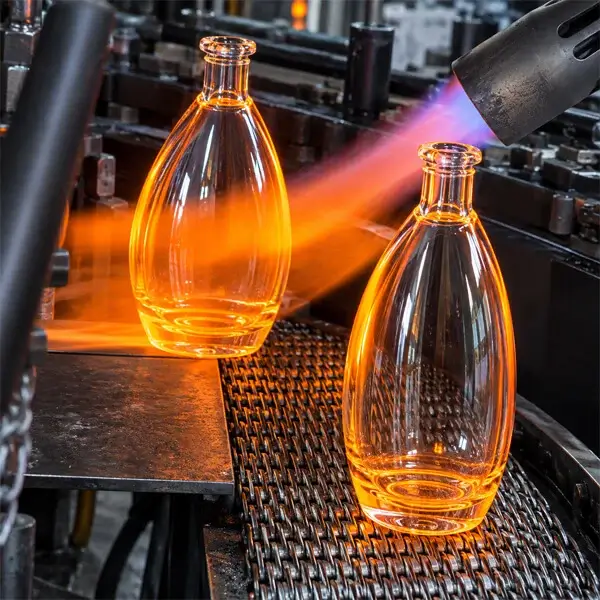
A brief flame pass removes micro-scratches and burrs from high-gloss bottles, boosting smoothness and sealing.

Annealing
Stress Relief
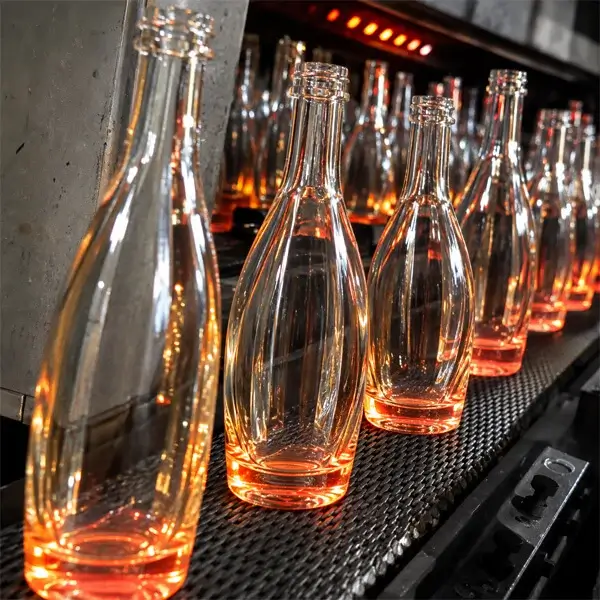
Bottles pass through an annealing furnace for controlled heating and cooling. This relieves internal stress, boosts impact resistance by over 30%, and prevents spontaneous breakage.
Quality Testing
Vision + Manual Checks
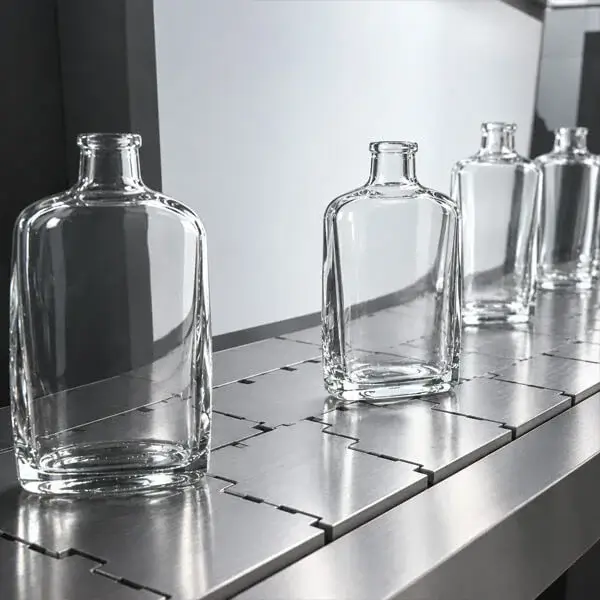
We combine vision systems with manual checks. Automated detection spots bubbles, cracks, or deformations, while technicians sample bottles for impact, sealing, and material safety. Only those passing all tests proceed to processing or packaging.
Packaging
Labeling & Recheck
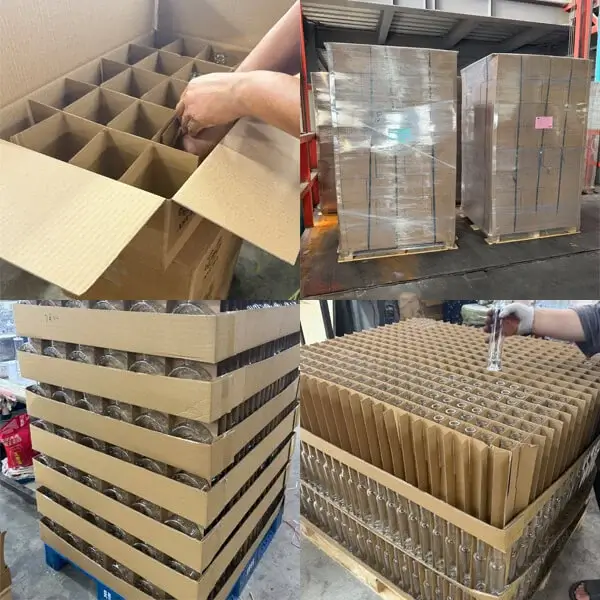
Qualified bottles are packed into cartons or palletized as needed. Each package is labeled with specs, batch number, and production date, then rechecked before shipment.
Mold Manufacturing Process
9 STEPS FROM DESIGN TO WAREHOUSE
A new mold is only required when the structural design of the bottle itself needs to be changed. If an existing bottle already meets your shape, capacity and specification requirements, customization can be achieved simply through tailored caps, sealing and surface finishing—no new mold needed.
Design & 3D Modeling
Structural Design
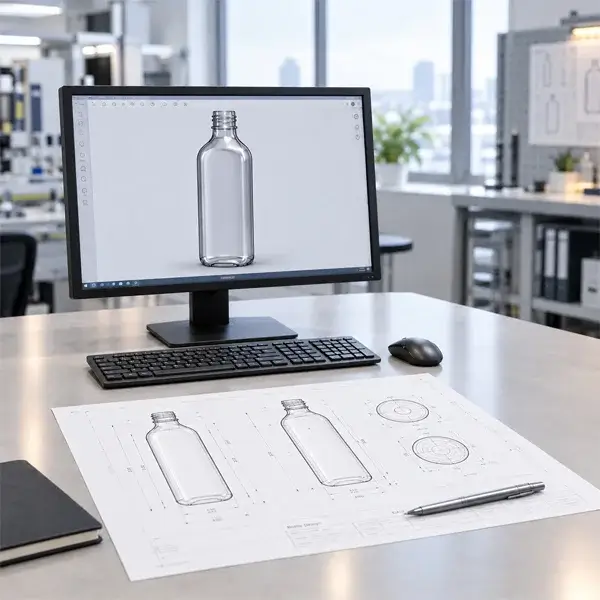
Based on samples, capacity and logo embossing, complete 3D structural design, optimize venting and mold clamping, and prevent defects such as bubbles and crooked necks.
Casting Material
Vermicular Graphite Cast Iron
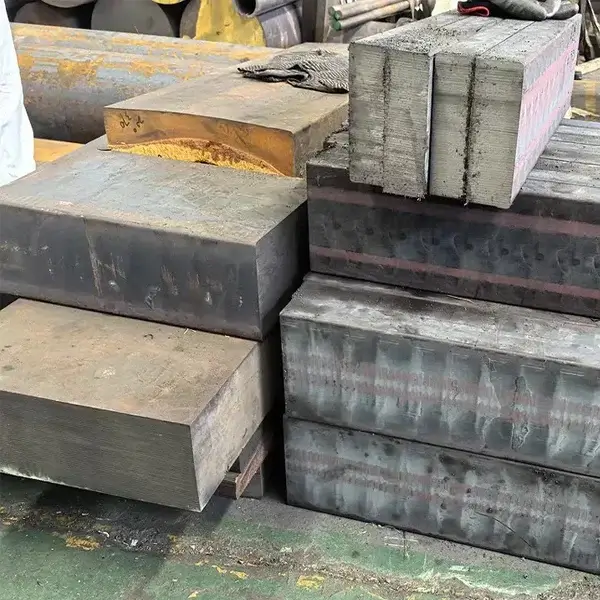
Select vermicular graphite cast iron blanks, taking into account good castability and machinability, suitable for high-temperature glass forming conditions.
Rough Machining
CNC Milling
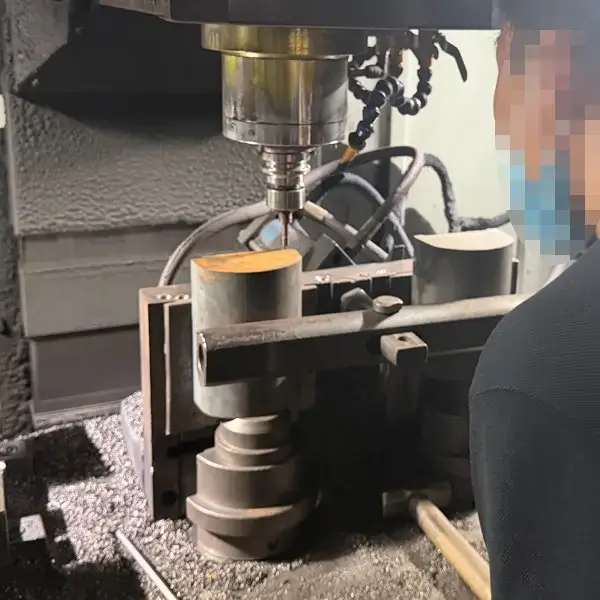
CNC milling processing, cutting out the mold cavity, water channels, and venting grooves, leaving finishing allowance.
Heat Treatment
Stress Relief & Quenching
Stress relief and quenching and tempering treatment, eliminating casting internal stress, reducing mold thermal cycle deformation, and improving wear resistance.
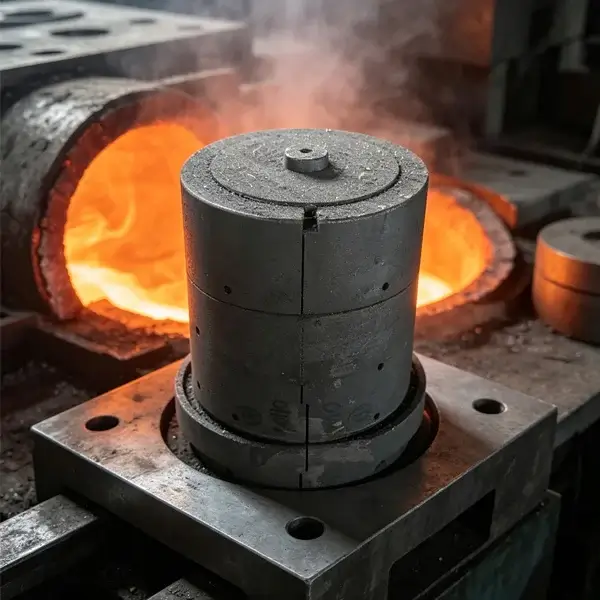
Precision Finishing
CNC Engraving
CNC precision engraving of the cavity, bottle mouth, and mold clamping surface, strictly controlling the mold clamping gap and reducing the mold clamping line.
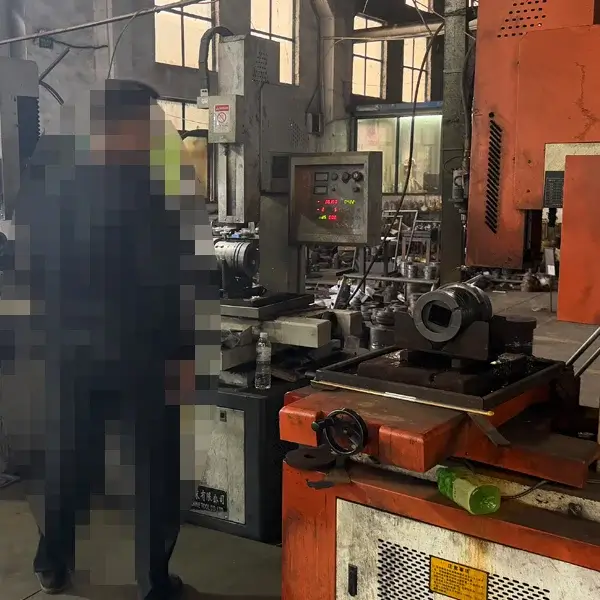
Fine Polishing
Manual Layered Polishing
Manual layered polishing of the mold cavity to improve smoothness, making the finished liquor bottle transparent and bright.
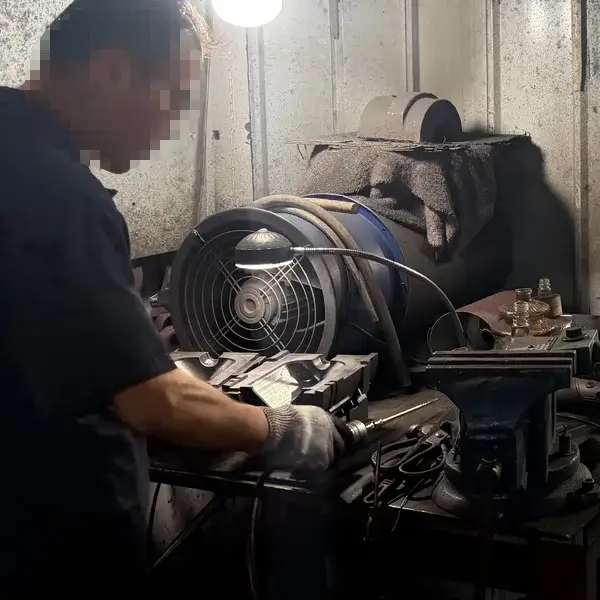
Assembly and Calibration
Alignment Precision
Assemble the complete set of parts including blank mold, blow mold, mouth mold, and bottom mold, and calibrate the opening and closing alignment precision.
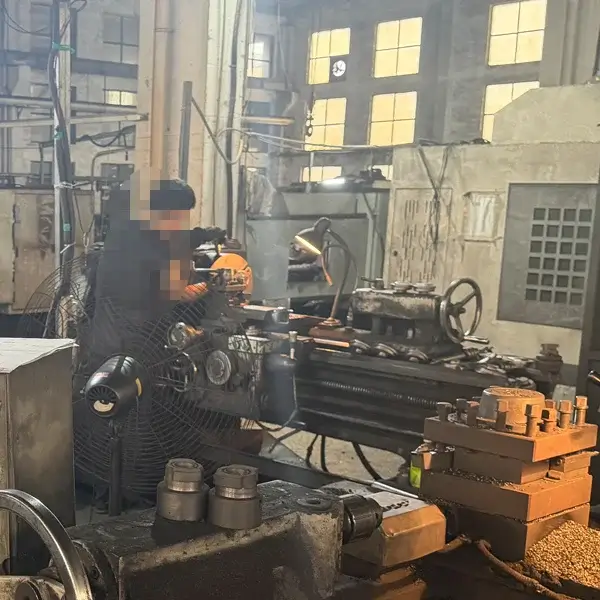
Trial Mold Inspection
On-Machine Trial
Trial blow samples on the machine, inspect dimensions, verticality, and appearance, and fine-tune the mold until it is qualified.
Final Inspection, Anti-Rust, and Warehousing
Storage & Support
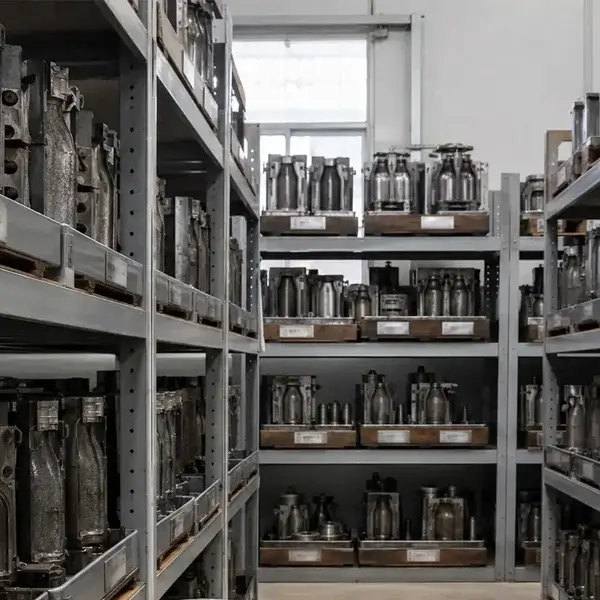
Clean and anti-rust treatment, finished molds are put into the warehouse, supporting subsequent mold repair and modification.
Glass Material
LEAD-FREE & FOOD-CONTACT SAFE
Our glass bottles are made of lead-free, low-iron soda-lime glass, with no lead or cadmium intentionally added during production. Due to the natural properties of mineral raw materials, tiny traces of impurities may exist. Heavy metal leaching limits: Lead ≤0.5 mg/L, Cadmium ≤2.0 mg/L, meeting standards and safe for food contact.
1. Super Flint Glass
Further refined from high-white glass with even lower iron content. Ultra-white and crystal clear, with a crystal-like shine. Ideal for high-end liquor and luxury packaging.
2. High Flint Glass
A low-iron glass with reduced iron content, offering clear purity while balancing quality and cost. Suitable for mid-range wine and cosmetic packaging.
3. Regular Flint Glass
Slightly higher iron content gives the glass an overall green tint. Relatively basic clarity. Ideal for basic wine, sauces, and general packaging.
| Material Type | Color | Refractive Index | Clarity | Composition | Price | MOQ |
|---|---|---|---|---|---|---|
| Super Flint | Super white | High | High | 85-90% Silica, Soda, Lime; 10-15% Cullet | High | 6000 |
| High Flint | White | Medium-High | Medium-High | 80-85% Silica, Soda, Lime; 15-20% Cullet | Medium-High | 6000 |
| Regular Flint | White with green tone | Average | Average | 75-80% Silica, Soda, Lime; 20-25% Cullet | Low | 6000 |
Quality Promise
We do not rely only on final inspection to sort out bad bottles. Quality control is moved upstream into raw material, melting and forming stages to prevent defects and stabilize batch consistency. This reduces filling-line downtime, leakage and breakage complaints. Pre-production sample confirmation and third-party inspection are available.